Ever since I was a student teacher first learning about Curriculum for Excellence, I knew that Literacy and Health & Wellbeing would be natural fits in the RMPS classroom. I teach those every single day. But numeracy? I remember sitting there thinking, “How on earth am I going to meaningfully include numeracy in RME?” During one of my university crit lessons, I even had S1 pupils calculate:
Gods in the Trimurti×Heads of Brahma
It worked, but as I’ve reflected on my practice over the years, I’ve realised that meaningful numeracy isn’t about shoehorning sums into a lesson.
We are doing real, meaningful numeracy in RME all the time without even realising it.
Anytime our pupils handle information, analyse public opinion, interpret demographics, or calculate ethical contributions, they are building numeracy skills. The real key is explicitly signposting these skills so pupils realise they are doing maths in RME!
With Maths Week Scotland around the corner, here are 5 practical ways you can highlight numeracy in your RME classroom:
1. Analysing Demographic Data & Census Sorting
Showing pupils the diversity of belief in Scotland is a fantastic way to bring statistics to life. Using raw data from the Scotland Census:
- Data Handling: Pupils explore tables showing the wide variety of religious and non-religious identities across the nation.
- Spreadsheet Skills: Have S1/S2 pupils build basic Excel/Sheets spreadsheets using census figures – a vital digital numeracy skill.
- Scale & Context: Make big numbers relatable by comparing belief statistics to the population of nearby local towns or local football stadium capacities (e.g., “The number of people who identified as X would fill Murrayfield twice!”).
Sources of Data
Census Summary – This is from the 2011 Census Summary which is really detailed. More recent Census data is not as detailed – you can find it here.
Scotland’s Crime Statistics – Up to date Crime Statistics for consideration.
Higher or Lower Game – This is a ready built Higher or Lower Crime Statistics Game you can use.
2. Post-It Opinion Bar Charts
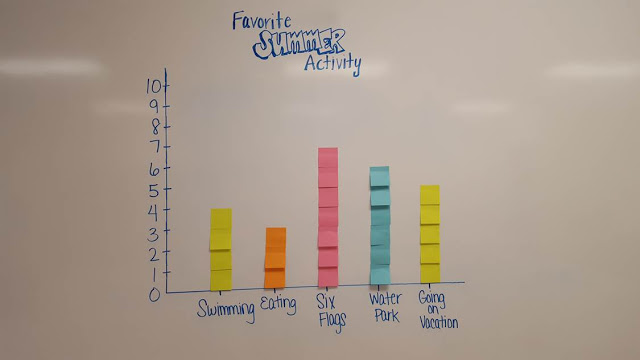
Most teachers at some point in their teaching career have asked pupils to write an answer on a post-it note. For me I always felt this can be a time consuming exercise with little reward. I have in the past instead asked a volunteer to come help me arrange the post its into a bar chart of opinions, putting like minded opinions together. This is good at not only discussing individual opinions but why does the majority of the class hold this opinion or why do only a few people think this. Therefore is more of a meaningful discussion and you are again analysing the data and using numeracy! You may even want to get the class to copy down the bar chart in their jotter and draw conclusions. You may even want to go further with Pie charts of different demographics.
3. Zakat & Ethical Wealth Calculations

Exploring the Muslim pillar of Zakat – the annual requirement to give 2.5% of one’s surplus wealth to charity – offers a brilliant context for practical percentage calculations. Rather than treating this purely as an abstract mathematical exercise, using famous public figures brings the concept to life and grounds it in contemporary culture.
For instance, pupils can calculate the expected Zakat contributions for high-profile athletes like Liverpool footballer Mohamed Salah or Tottenham defender Djed Spence, estimating their charitable giving based on reported annual salaries or performance bonuses. Beyond sports, pupils could explore figures in entertainment like comedian and actor Guz Khan, presenter Adil Ray, or YouTube personality Chunkz, examining how the 2.5% rate applies across different income models. You can easily stretch higher-level numeracy skills by introducing tiered challenge questions—such as calculating Zakat after factoring in basic living allowances, bonuses, or charitable offsets—showing pupils how ethics and mathematics intersect in everyday life.
4. Calendars, Time & Lunar Tracking
Religious calendars provide another rich avenue for time-based numeracy that goes far beyond simple date-reading. Pupils can explore the mechanics of the Islamic Hijri calendar, examining how its reliance on lunar cycles means the year is approximately 11 days shorter than the solar Gregorian calendar. Setting pupils the challenge of mapping out when Ramadan will fall over the next decade allows them to apply basic algebra, pattern recognition, and subtraction skills.
Similarly, working with daily prayer times (Salah) allows pupils to engage with time management and conversion. You can have classes track prayer schedules across a single week, requiring them to convert between 12-hour and 24-hour time, calculate fluctuating daylight durations as the seasons change, or measure time intervals between individual prayer windows.
5. Resource Allocation & Trade Games
Games that simulate global poverty and trade ethics force pupils to work within strict mathematical constraints:
Paper Bag Game
To explore global economic ethics and poverty, interactive trade simulations force pupils to work within strict mathematical constraints while experiencing real-world dilemmas. Christian Aid have created a great resource, The Paper Bag Game that could be played with classes
In this experiential activity, pupils step into the shoes of workers in urban poverty, manufacturing paper bags under strict time limits, tight material constraints, and extremely low pay rates. As the game progresses, pupils must constantly recalculate their earnings against artificial costs for food, rent, and supplies. This forces them to make difficult financial choices under pressure, turning abstract concepts like poverty lines, wage margins, and trade ethics into a lived, numerical reality right in the classroom.By intentionally signposting these moments in our lessons, we aren’t just ticking an improvement plan box- we’re showing pupils that the analytical skills they learn in RME connect directly to the real world. Numeracy isn’t an “extra” thing we have to fit into an already packed curriculum; it’s a core tool we naturally use to understand people, belief, and global issues.
I’m always testing out new ways to weave literacy, numeracy, and digital skills into RMPS materials without losing the essence of the subject. If you’re looking for ready-to-use classroom templates, lesson starters, or graphic organizers for RMPS and beyond, I regularly share what I’m making over on Instagram. I’d love to connect with you there and hear how you bring these skills to life in your own department!