I invented this game on the fly, a few years ago when I was teaching about the Telelogical Argument with my S3 elective class and I decided as I was trying to get a little more active learning in the classroom that I should redesign it and thought I would share it with you. If you are looking to read more about including more active and play based learning have a look at my previous posts.
My highers are currently learning Origins and we are looking at the idea of natural selection and survival of the most adaptable. So what better way to teach this than get them to be the most adaptable.
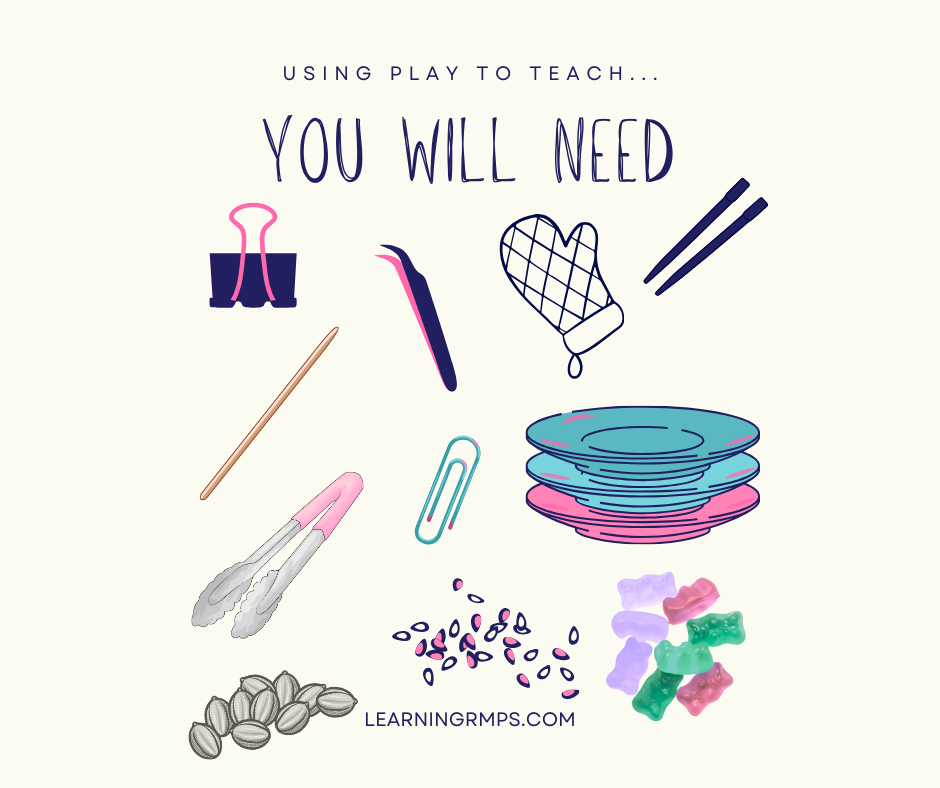
Essentially based on Darwin’s finches, every pupil was allocated a different tool or beak. These included chopsticks, tweezers, paperclips, bluetack, oven gloves, tongs, wooden spoons – a selection of things I could find in my kitchen at home.
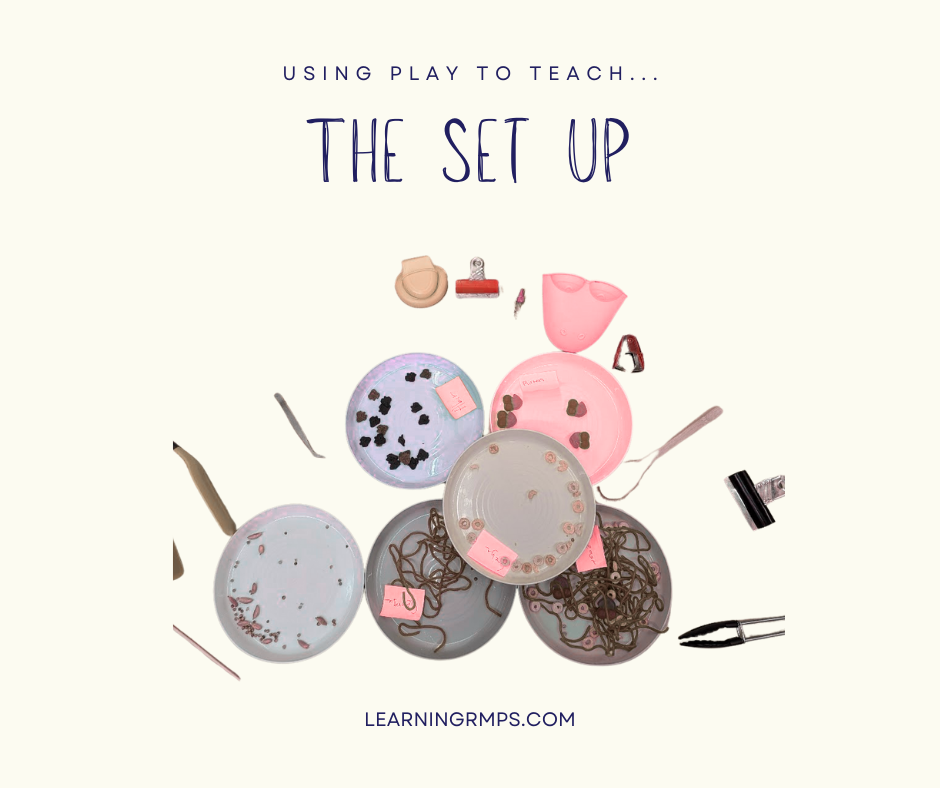
I then set out different plates with different items on them – these were my ‘islands’, the items were my “food”. We had cumin seeds, coriander seeds, strawberry laces, jelly cherries, cheerios. Some islands had a range of food, others only had one type. I assigned a points value to each of the food items, the smaller the food item the more it was worth. The pupils also named the islands (some names were more inventive than others)
The pupils then took it in turns using a random name generator (or I justt write their initials on the board and have a wee spinner) to choose their ‘beak’.
The pupils then were in groups and given 10 seconds at an island to collect in as many items as they could and then count up their scores. They moved round the islands and we tallied up the points.
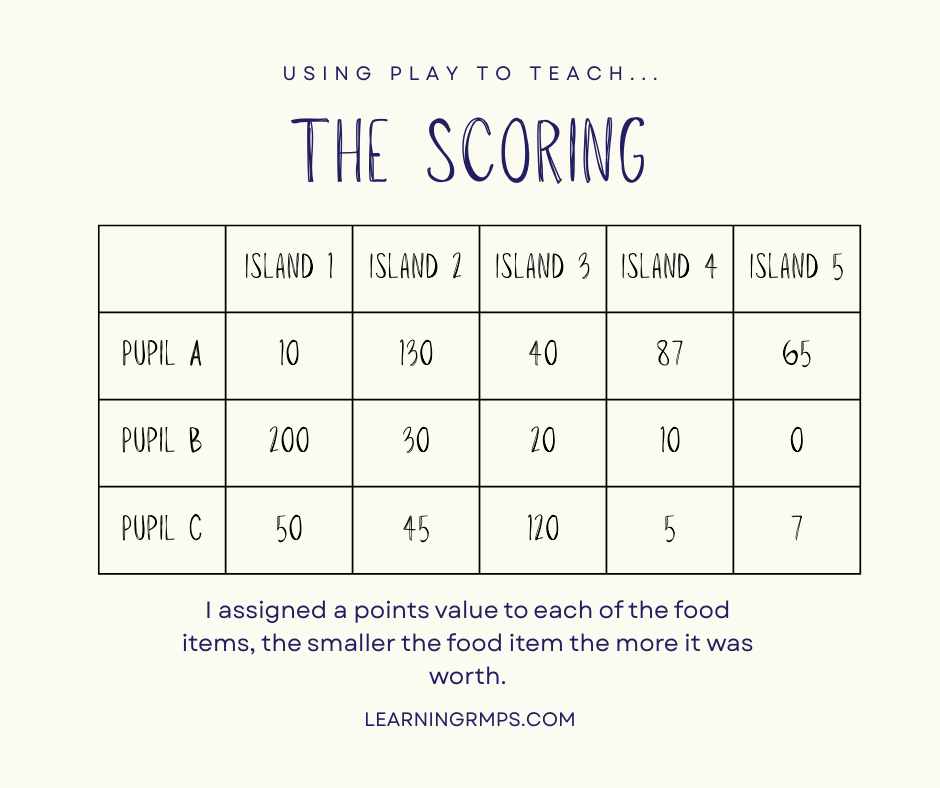
The points tally showed us that some beaks were better than others, but only in certain climates. If the right food and envrionment was there.
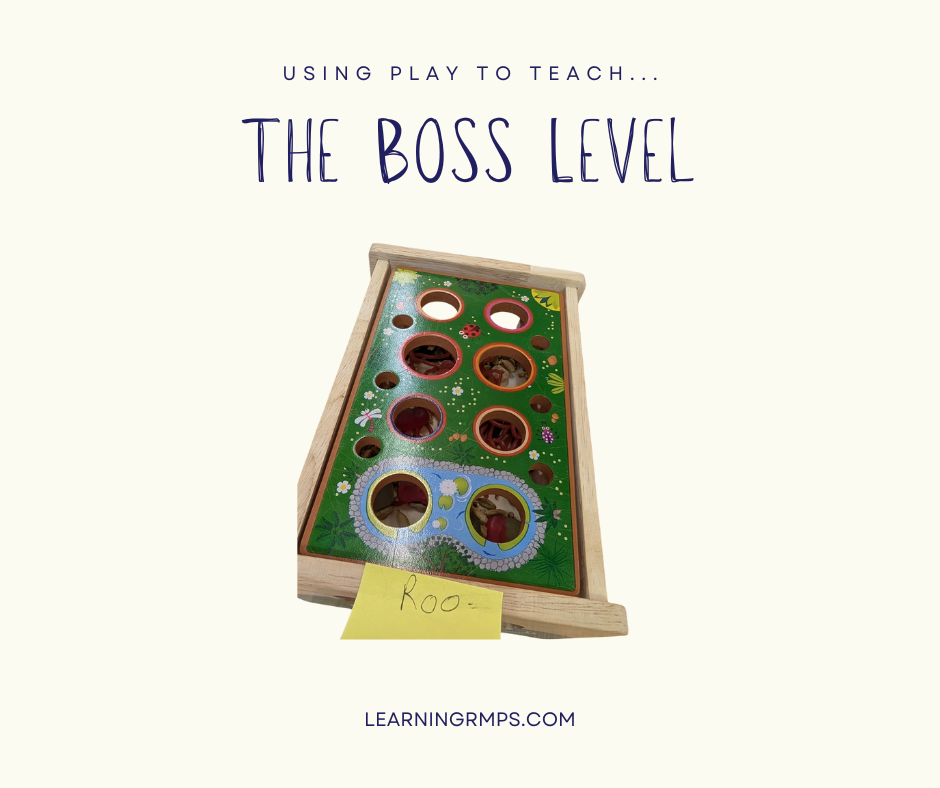
The final part of the game, we had the boss level island, using my son’s shape sorter toy. I put a range of seeds inside and the last birds surviving had to fight it out to see who would survive. I won’t ruin it by telling you what beak was the best!
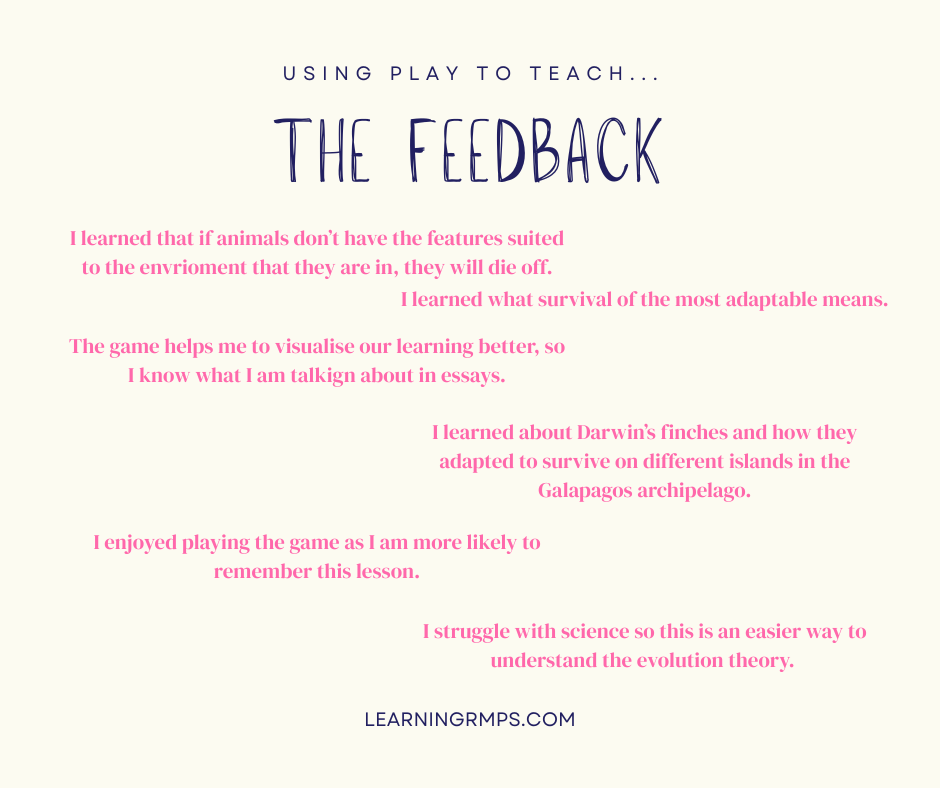
It took half a period to play and the rest of period we consolidated our learning and talked about how we would apply this to the bigger picture when we are looking at the Origins of Life. I do not think you are ever too old to play a game, nor are you too busy in your course outline. You just have to be smart about it. I dont believe in playing games for games sake. I don’t agree with gimmicky learning – e.g. let’s make an evolution cake, that has very little teachign value. But this I was able to explain the point of adaptability in a straightforward way.
Would love to know your thoughts!