It’s arguably the most wonderful time of the year to be an RMPS teacher. December is absolutely packed with religious and non-religious festivals—from Advent and Hanukkah to Winter Solstice and Hogmanay. The curriculum practically teaches itself right now.
However, let’s be honest: we are all crawling towards the finish line. The energy levels (both ours and the pupils’) are fluctuating wildly. You need lessons that are high-engagement but not time consuming to make, activities that feel festive but still contain genuine learning value.
If you are looking for something to fill that final period that isn’t just “sticking on Elf,” here are 5 quick ideas for this week.
1. The RMPS Escape Room
An escape room is always a brilliant way to end the term. It feels like a game, but it’s actually stealthily teaching communication, problem-solving, and teamwork under time pressure.
Over on the STARME website, you can find the “Christmas Conundrum.” It’s ready-made and perfect for getting frantic energy directed into a constructive task. Split the class into teams, set a timer on the board, and let them go.
2. The RMPS Factfinder Quiz (Self-Marking!)
Sometimes you just need a lesson where the pupils are quiet, focused, and working independently. This quiz is perfect for that.
I have created a Microsoft Form quiz that requires pupils to use their Chromebooks or phones to research answers. Crucially, it’s not just about Christmas—it covers a whole range of religious and non-religious beliefs and practices that occur around this time of year.
The best bit? It’s self-marking. You can see the results instantly without taking any marking home over the break.
The Great RME Detective Challenge – Copy form
Note: I’ve shared a link to my version on the site, but some questions are specific to my school’s local context. Feel free to duplicate the form and tweak those questions to fit your own setting.
3. Films with Discussion
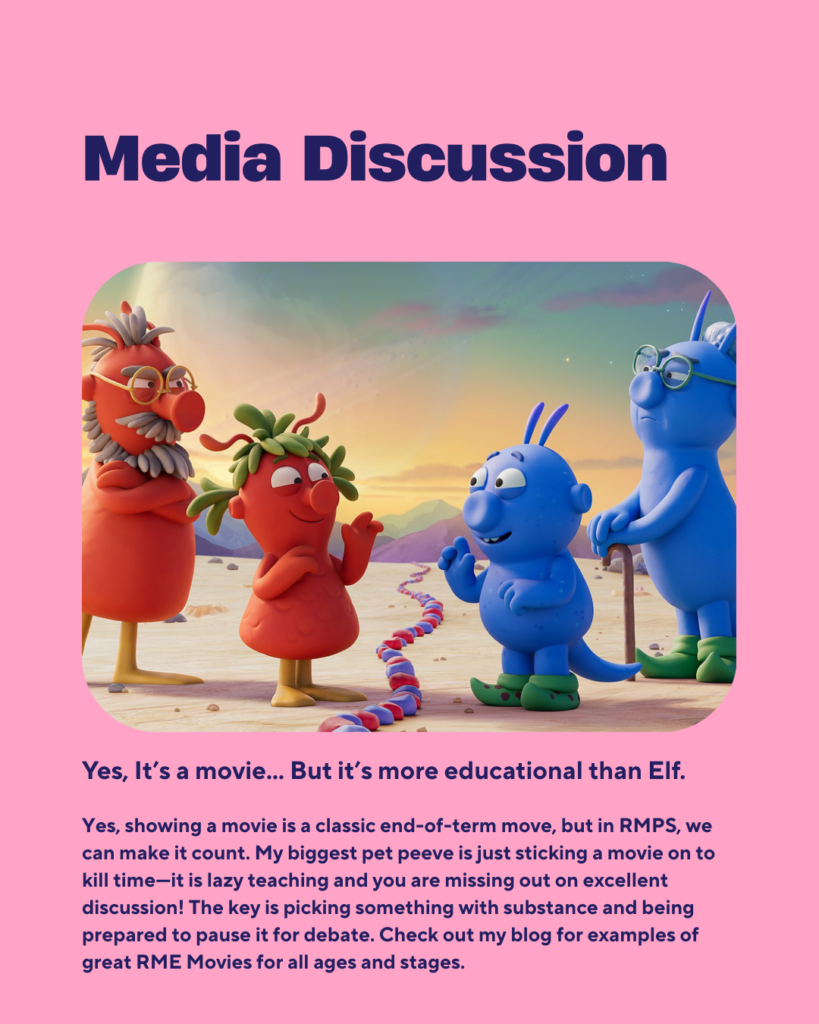
Yes, showing a movie is a classic end-of-term move, but in RMPS, we can make it count. The key is picking something with substance and being prepared to pause it for discussion. My pet peeve is just sticking a movie on, it’s lazy teaching and you are missing out on excellent discussion!
- The Festive Option: Journey to Bethlehem (Netflix). Often Nativity films are too “babyish” for secondary or just too long. This one is a musical, which engages them immediately, but it’s surprisingly good for discussion. It allows you to pause and discuss weighty topics, such as the concept of arranged marriage in the context of Mary and Joseph, or the political tensions of the time.
- The Impossible (2012) – Available on BBC iPlayer
For a more mature class (S4–S6), The Impossible is currently on iPlayer and is a powerful case study for the Suffering and Evil unit. Based on the true story of the Boxing Day 2004 Tsunami, it vividly depicts ‘Natural Evil.’ It allows for deep discussion on: Why would a benevolent God allow this? and How do humans respond to crisis (Altruism vs. Selfishness)? Warning: It is rated 12 but involves intense scenes of injury and peril, so check it first.” - Julia Donaldson Stories – The Julia Donaldson Stories are excellent for RME, especially for younger pupils.
- The Smeds and the Smoos – Prejudice, Sectarianism & Inter-faith relationships
- Zog and the Flying Doctors – Gender Equality, Vocation & Stereotypes
- The Highway Rat – Justice, Greed (Sin) & Rehabilitation
- Tabby McTat – Homelessness, Loyalty & Changing Family Structures
- Tiddler – Truth
- The Snail and the Whale – Stewardship, Environmental Ethics
- Room on the Broom – Inclusion, Diversity & Community
- Stick Man – Family, Resilience & The importance of “Home”
- The Gruffalo – Fear, Deception & Wisdom
- The Gruffalo’s Child – Courage, Curiosity & Role Models
4. The Dinner Party
This is a great revision task disguised as a fun hypothetical.
Give students a list of varied guests relevant to your recent learning. For example: Jeremy Bentham, Jesus, The Pope, A Modern Soldier, Donald Trump, Malala Yousafzai.
The Task: They must design the Seating Plan for a festive dinner. The catch is they have to justify every choice based on the guests’ beliefs and philosophies. Why must Bentham sit next to the Soldier? Why can the Pope absolutely not sit next to Trump?
If you need an extension task, get them to design a menu that accommodates the varied dietary or ethical requirements of the guests!
5. The New Tradition: Designing a Scottish Festival

January 2nd is an extra Bank Holiday here in Scotland, traditionally for recovering from Hogmanay! But what if it became a new national celebration?
Task pupils with designing a brand new festival for a modern, secular Scotland. To do this, they need to understand the structure of religious festivals. They must present:
- The Origins: What is it celebrating? (e.g., community, light returning, resilience).
- Rituals: What actions do people take?
- Symbols: What objects represent the day?
- Food: What is the traditional meal?
A Final Important Note on Inclusivity

While we have focused on festive ideas here, please remember: Not everyone celebrates Christmas.
Whether it’s for religious reasons, cultural background, or simply because this time of year is emotionally or financially difficult for their family, many students find December tricky.
As RMPS teachers, we are often the safe space for these students. There are lots of celebrations happening right now—religious and non-religious—and it’s good to acknowledge the breadth of them.
Please keep this mind when running these activities this week, and especially when planning how you will welcome students back in that first week of January. Let’s focus on connection, rather than comparison.